Your AI pilot works. Who still owns it in month seven?
The largest AI firms in the world have all repositioned around the same thing: keeping systems alive after launch. That is a hint about where projects really fail.
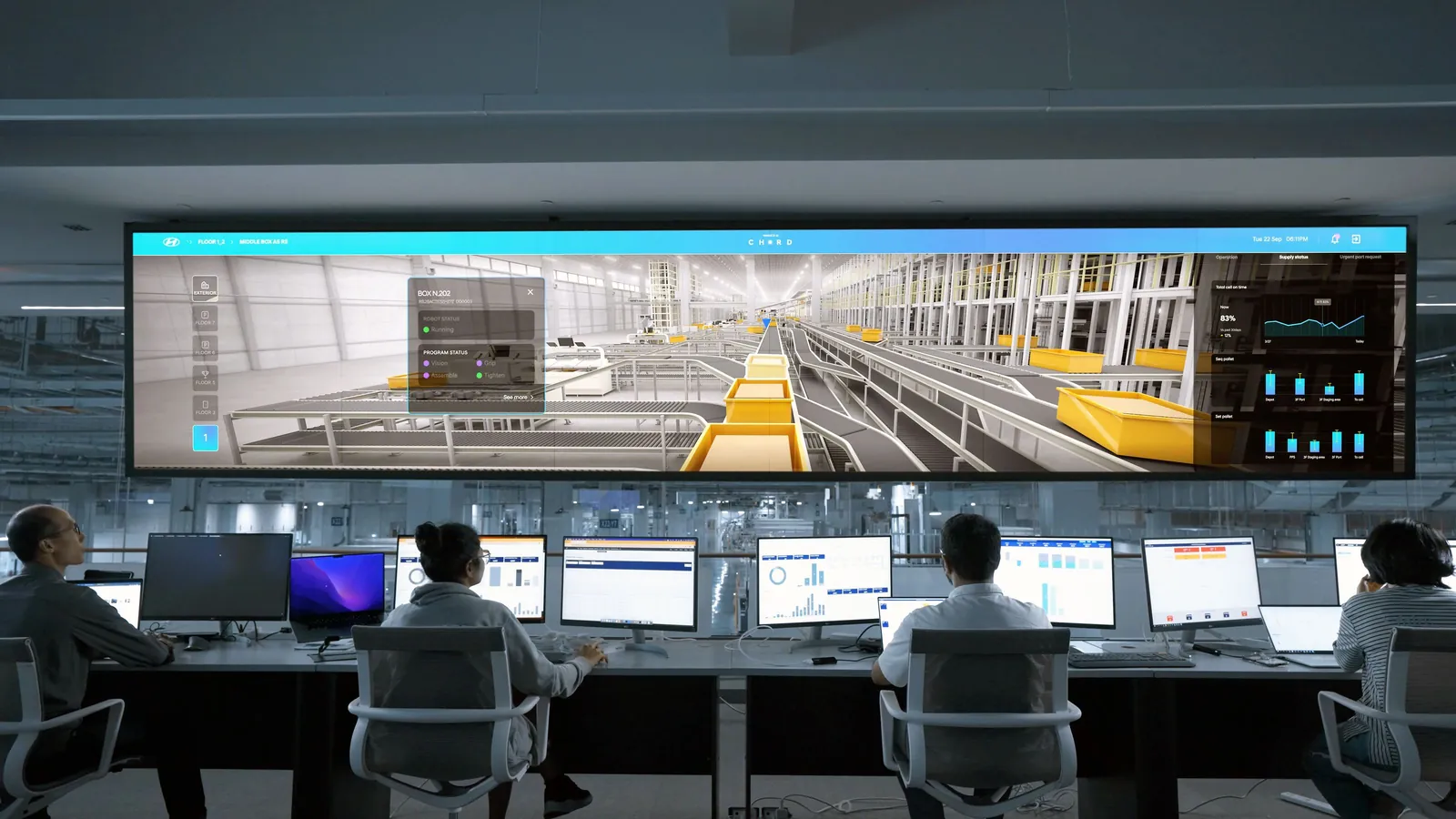
What happened
Tech Insider published a roundup of the ten biggest enterprise AI development firms of 2026. Vendor roundups are usually skippable. This one is worth two minutes for one reason: look at what the ten are selling now.
The market numbers in it are unremarkable and useful. Enterprise AI spending reached $107.2 billion in 2025, and by the end of that year 72% of companies had AI running in at least one function. The buying decision has mostly been made.
What has moved is the pitch. IBM leads with governance on watsonx. Capgemini leads with regulatory compliance. HCL leads with responsible AI. Intellectyx built an entire platform for what happens after go-live and named it AgentOps. Not one of the ten is winning business on "we will build you an AI." They are winning on "we will keep it working."
Why this matters to your business
That repositioning is a confession, and it is more honest than most marketing. It says the build was never the expensive part.
A pilot that answers customer questions can be standing up in a fortnight and demos beautifully. Then time passes. The model you built on gets deprecated. A connector's API changes without warning. A refund policy changes and nobody thinks to update the prompt behind it. Somebody in legal asks why a customer was told something untrue in March, and wants to see the record.
That work has no end date. It is the real cost of the system, and it is the part that quietly becomes a service contract. If the flow lives inside your integrator's platform and the conversation logs live in their tenant, then in month seven you are not evaluating a system. You are negotiating a renewal with nothing to walk toward.

Why this is a CX-Builder use case
If the durable cost is operating the system, then the thing worth owning is the system itself.
CX-Builder is a visual builder for agents, chatbots and retrieval pipelines, and it runs on your infrastructure. The flow is a file you hold. The conversation traces sit in a database you can query. Credentials sit in a store you control. When a vendor relationship ends, the thing keeps answering customers, because it was never hosted on the relationship.
Governance is not a separate product bolted on top of that. It is mostly the ability to open the thing and look: see what the agent retrieved, see what it answered, and put a person in front of the decisions that carry money or policy. That is a capability, not a subscription tier.
What this looks like if you build it
In practice, a flow is an exportable artefact, so you version it alongside your code and can see what changed and when. Retrieval runs against a vector store you host, which means a wrong answer traces back to the document that caused it instead of a shrug. An approval node holds the actions with real consequences for one-click human review, and every one of those is logged.
The model is a setting on the node, not a foundation the whole thing sits on. When the model you started with is retired, that is an afternoon and a regression test, not a rebuild.
None of this is exotic. What it buys you is that month seven is maintenance work you schedule, rather than a conversation you have to win.
The takeaway
Put one question to every AI vendor you are talking to, before the contract rather than at renewal: if we ended this tomorrow, what do we keep and what keeps running? Get the answer in writing. Anything you cannot export, host and read for yourself is rented, and the rent goes up.