Your support agent's playbook needs a version number too
Amazon, Microsoft, OpenAI and others have agreed on one package format for an AI agent's skills and tools, and the file at the top of every package carries a version number. Most support teams couldn't tell you which version of the refund procedure their agent followed last Tuesday.
What happened
In August, Vercel announced Agent Plugins 1.0, a specification for packaging an AI agent's skills and tool connections so one package works across several products. Amazon, Cursor, Microsoft and OpenAI are among the companies behind it, and the work sits with the Linux Foundation's Agentic AI Foundation. The Register's write-up covers the details.
A plugin is one folder. At the top sits a small manifest file with the plugin's name, its version and the schema it follows. Skills, the written procedures an agent follows, go in a subfolder. The settings for MCP servers, which connect the agent to outside systems, go in a single file beside them. The same folder is meant to load in VS Code, Cursor, GitHub Copilot, ChatGPT, Codex and Kiro. Version 1.0 is deliberately narrow and leaves experimental features for later. For most businesses this is plumbing that will turn up inside tools they already use, and nothing needs to change this week because of it.
Why this matters to your business
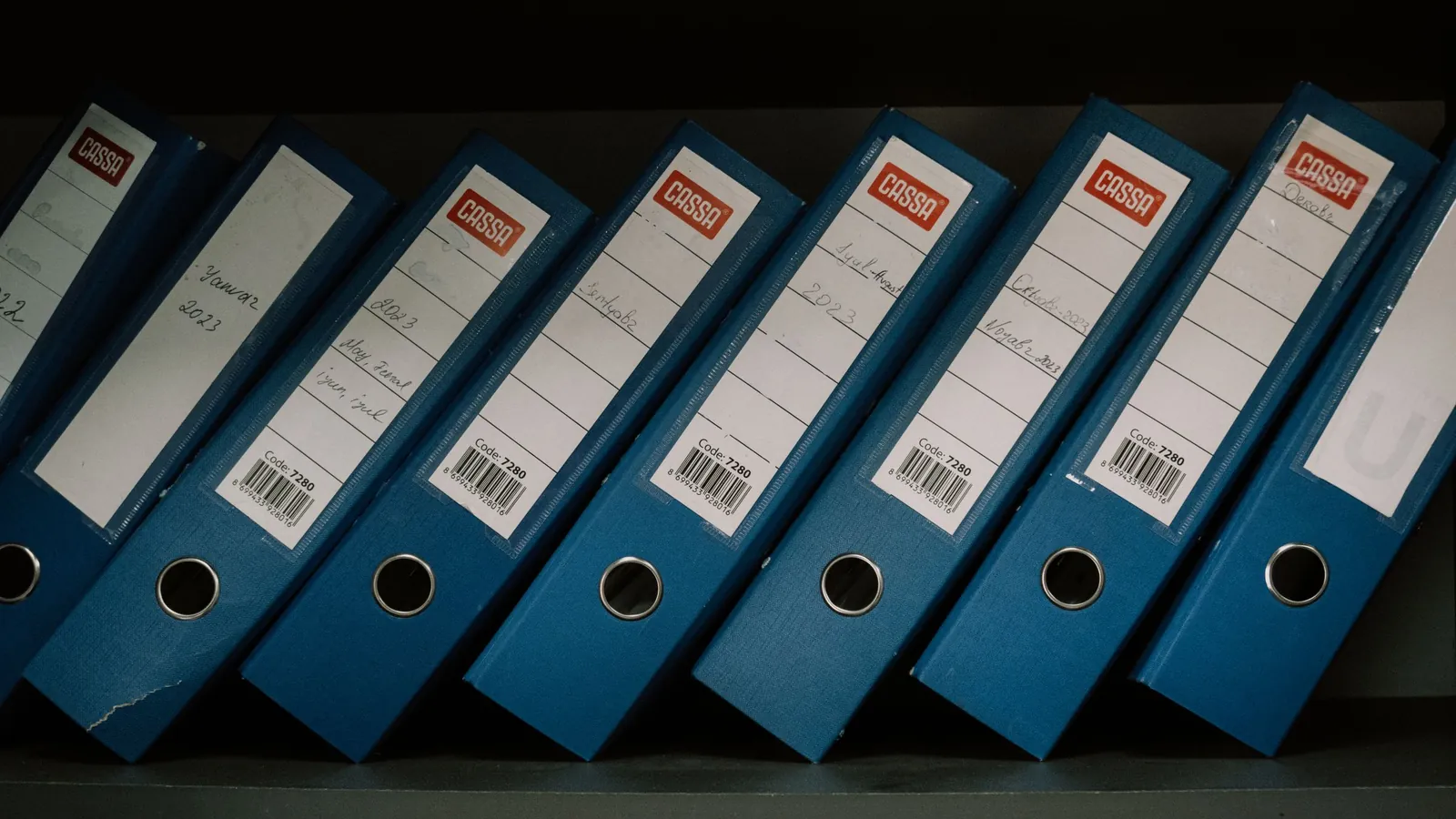
The part worth borrowing is the version field. The people who wrote the spec assumed that what an agent knows how to do will change, and that anyone running it needs to know which edition they have. Software teams take that for granted. Support teams running an AI agent mostly haven't caught up.
Take a complaint that could land three weeks from now. A customer says your agent promised a full refund on a used item. Your return policy changed on the 4th, someone edited the agent's instructions on the 6th, and the conversation happened on the 5th. With no version on the instructions and no record of which version handled the chat, nobody can say whether the agent followed the old policy, the new one or neither. A five-minute check turns into an argument, and the usual way out is to pay the refund and move on. The same gap blocks the fix. If last week's edit made answers worse, you can only go back to the version before it if someone kept it.
Why this is a CX-Builder use case
Treating the agent's procedures as a release comes down to a few habits. Every change gets a number and a note. Every change is tested against real questions before customers see it. And every conversation can be traced back to whatever was live at the time. None of that waits on the new spec. It needs a place to build the agent where those habits are cheap enough that people keep them.
In CX-Builder the agent's behavior lives in one flow: its instructions, the documents it searches, the tools it can call and the approval steps around them. A flow exports as a single file, and because CX-Builder is self-hosted, those files can sit in your own version history next to the policy documents they come from. Before a change goes live, the evaluations feature runs the flow against a saved set of real customer questions and scores the answers, and if the flow has been edited since the last run, the evaluation is flagged as out of date. Each agentflow run is logged with the instructions the model received and the tools it called. A human-in-the-loop step can hold refunds or account changes until a person approves them.

What this looks like if you build it
A builder keeps the support agent as an agentflow, with the return policy and help articles in a document store. After each edit they export the flow, commit it with a version number and a one-line note on what changed, and rerun an evaluation dataset of fifty or so real past questions, comparing scores with the previous version. Only a flow that scores at least as well gets imported into production. The version number also goes into the agent's instructions, so it appears in every logged run and ties each conversation to the edition that answered it. If a new version misbehaves, the previous file is one import away.
The takeaway
Before the end of the quarter, give your support agent's instructions a version number and keep every past version somewhere you control. Build a test set from fifty real customer questions and run it before each change goes live. When the next disputed answer comes in, you should be able to name the version that gave it within five minutes.