Integrations should outlive the agent you built them for
A standard interface turns each tool connection into something you build once and reuse everywhere. That changes what you own, and what you have to check before trusting it.

What happened
HackerNoon published a plain walkthrough of how the Model Context Protocol is changing agent development. The problem it names is old and unglamorous. Run five AI applications that need to reach ten internal systems and the obvious approach takes fifty pieces of custom code, each written by a different person, each breaking on its own schedule.
MCP, which Anthropic released in late 2024, puts one standard interface in the middle. A server exposes a tool once. Any compatible client can call it. The connector stops belonging to the agent that first needed it and starts belonging to the business.
The piece is honest about what is still rough. Finding a server you can trust is mostly word of mouth. The protocol keeps moving between versions. A server written by somebody else is software you did not read, running against data you are responsible for.
Why this matters to your business
Count the tool connections you have already paid for. Order lookup. Ticket status. Customer record. Refund eligibility. Each one was scoped inside a project, budgeted inside that project, and is now maintained by whoever inherited it.
The bill arrives with the second agent. It either rebuilds the same connection or copies the first one, and a copy drifts. Six months later two versions of "look up an order" return slightly different answers, and the argument about which is correct takes longer than writing either of them did.
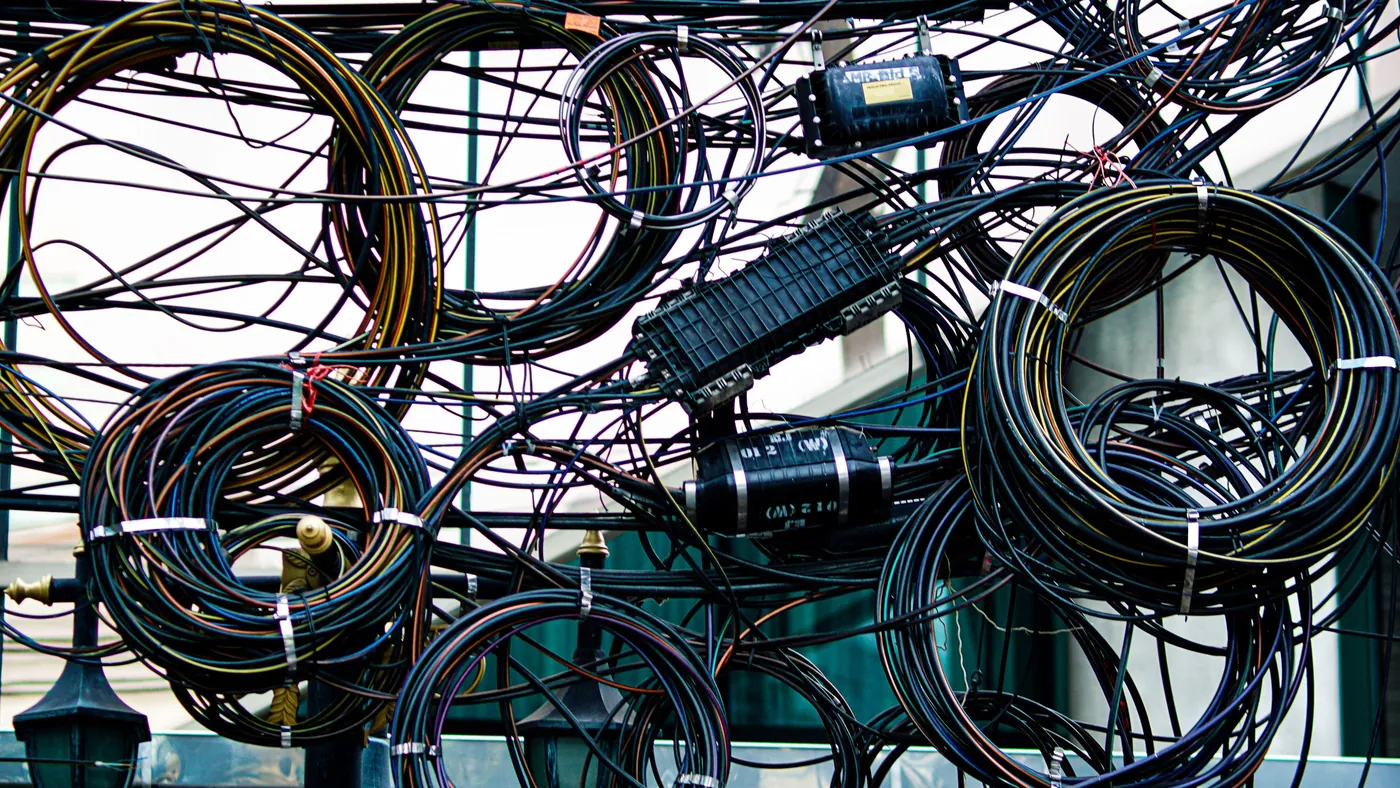
A standard interface changes the accounting. The connection to your order system becomes one service with one owner and one place to fix a bug, and the next agent costs a configuration line rather than a sprint. That saving compounds quietly as the number of agents grows.
The risk moves too. A server holds the credentials for the system it fronts, so adding one is a procurement decision even when it takes thirty seconds and costs nothing. Anyone who can add a server can widen what your agents reach. We have written before about the layer that holds every key, and this is that layer with a friendlier name.
Why this is a CX-Builder use case
CX-Builder sits on both sides of that interface. It ships MCP tool nodes, including a custom one you point at any server you name, so an agent you build can call your order system or your ticket queue without a bespoke connector. It also publishes flows as MCP endpoints, which means the agent you build here becomes a tool that something else can call.
Self-hosting is what makes that comfortable. The servers run inside your network, the credentials stay on your side of the boundary, and you can read a server's code before it goes near a customer record. A shared connector is a good idea when you control who is allowed to share it.

What this looks like if you build it
In an agentflow it is a node with a small block of config: a command to run, or a URL and the headers it needs. The server's tools then appear as things the agent can call, with the same approval gates and logging as anything else in the flow. Credentials go in variables rather than sitting in the node body.
Start narrow. One internal system, one server, one agent, and a reading of that server's source before it touches production. When a second agent wants the same behaviour it points at the server that already exists, and the connector you wrote in week one is still the only copy.
The takeaway
List the systems your agents reach into today and mark the ones that are wired up more than once. Each duplicate is a maintenance bill and a chance for two answers to the same question. Take the one your business leans on hardest, make it a single shared service, and point the next agent at that.